

Do Rodents Hibernate During The Winter Months?

news shield
As temperatures drop across the UK, many homeowners assume that common pests disappear until spring. A frequent question asked during colder weather is whether rats, mice and moles hibernate during the winter months, or whether they remain active. The answer is more nuanced than many people expect. Understanding how these animals behave in winter can help explain why rodent sightings sometimes increase when the weather turns cold, and how to prevent pests from accessing your home.

Do Rats Hibernate In The UK?

The short answer is no. Rats do not hibernate during winter in the UK. Rats are active all year round. The most common species found in British towns and cities, the brown rat, is highly adaptable and capable of surviving in a wide range of environments. Rather than hibernating, rats respond to cold weather by seeking reliable shelter, food and warmth. In winter, this often means:
Because food sources outdoors can become scarcer during colder months, rats may travel further or exploit new opportunities. This is one reason winter can be a busy period for rodent enquiries.

How Do Rats Survive Winter?

Rats rely on behavioural adaptation rather than dormancy. They build insulated nests using shredded materials and remain active, breeding throughout the year if conditions allow.
The British Pest Control Association regularly reports that rodent activity remains consistent across seasons, with increased call-outs in colder months due to rodents seeking indoor shelter. This aligns with long-standing observations across the UK pest control industry.
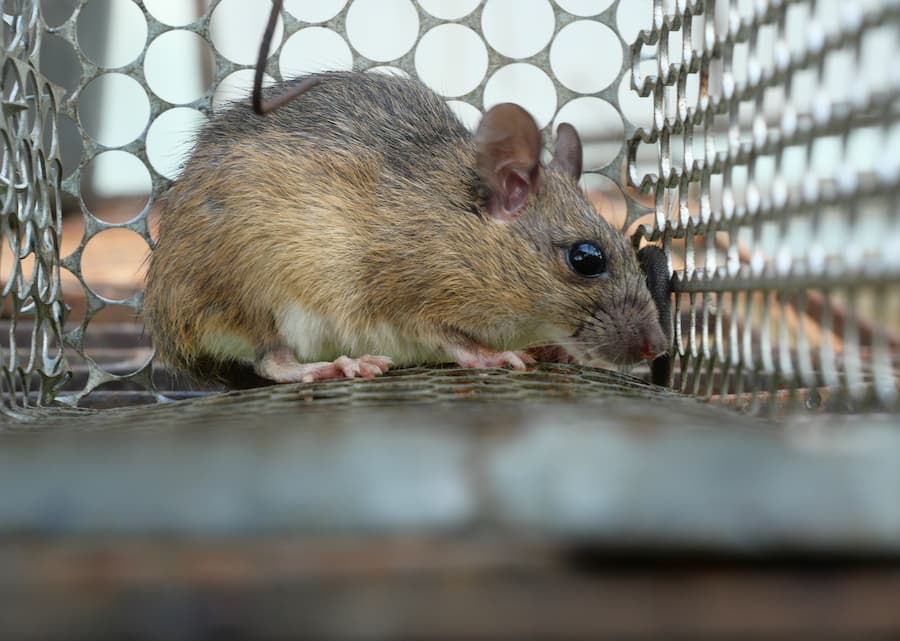
close up of a mouse in a cage

Do Mice Hibernate In Winter?

Mice also do not hibernate. House mice, which are the most common indoor mouse species in the UK, remain active throughout winter. In fact, cold weather often pushes them indoors, where temperatures are stable and food is more accessible.

Why Do Mice Seem More Common In Winter?

Many people assume mice suddenly appear during winter, but they are usually present year-round at lower levels. Colder weather simply makes buildings more attractive. Mice are small and lose body heat quickly. They need to eat frequently to maintain energy levels, sometimes feeding dozens of times per day. When external food sources decline, they may:
Unlike true hibernators, mice do not enter a state of torpor for the season. They remain active, agile and capable of reproduction, even during colder spells.

Do Moles Hibernate During The Winter Months?

Moles are slightly different in behaviour but still do not hibernate. The European mole, common across much of the UK countryside and gardens, remains active beneath the surface throughout winter. However, their visible activity may fluctuate depending on soil conditions.

Why Do Molehills Sometimes Increase In Winter?
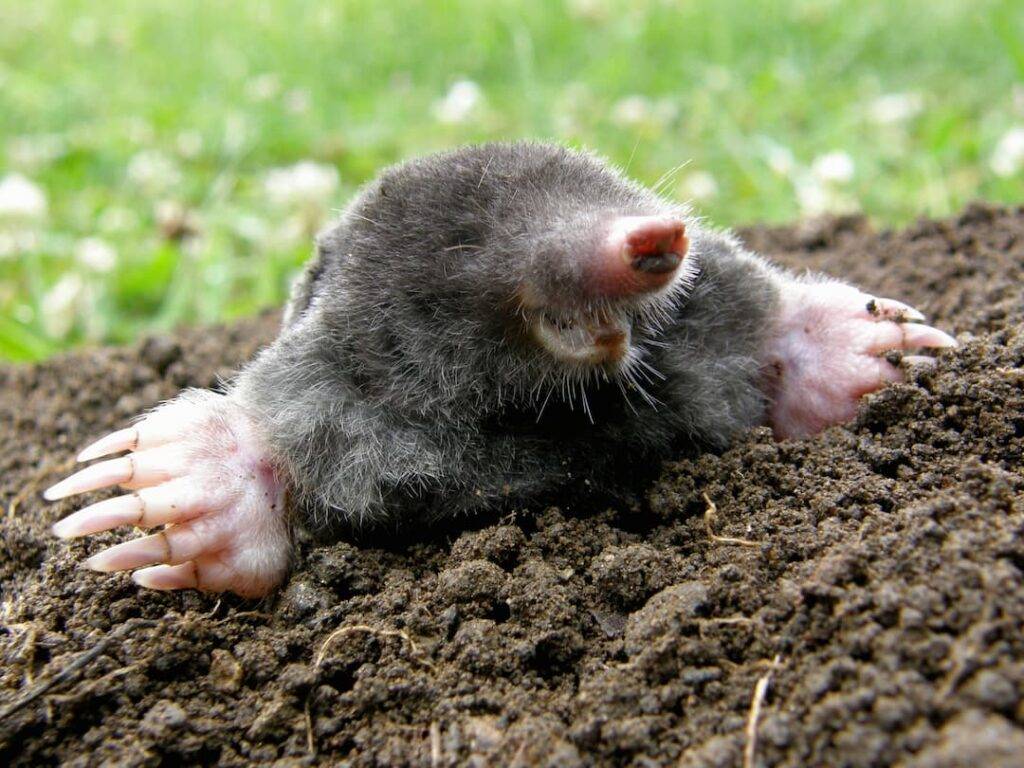
Moles feed primarily on earthworms and soil invertebrates. During wet and mild winter periods, earthworms move closer to the surface, which can encourage increased tunnelling activity. This may result in more noticeable molehills appearing in lawns and fields. In contrast, during prolonged frost, surface activity may reduce temporarily as worms retreat deeper into the soil. Even then, moles do not hibernate. They continue to move through established tunnel systems below the frost line.
Summer Mole Control

What Does Hibernation Actually Mean?

True hibernation involves a significant drop in body temperature, heart rate and metabolic activity. Animals such as hedgehogs and some bat species enter prolonged states of torpor to conserve energy when food becomes scarce. Rats, mice and moles do not undergo this process. They remain physiologically active and must continue feeding regularly to survive. This distinction is important. The idea that rodents “go to sleep for winter” is a persistent myth, but it does not reflect the biology of these species.

Common Winter Pest Myths

Myth 1: Rodents Disappear Until Spring

Rodents remain active throughout the year. If anything, colder weather increases the likelihood of them entering buildings.

Myth 2: Freezing Temperatures Kill Most Rats And Mice

Rats and mice are resilient animals with insulated nests and adaptable feeding habits. While extreme weather can reduce populations in exposed environments, established urban and domestic populations typically survive winter conditions.

Myth 3: Moles Only Cause Problems In Summer

Mole activity can be highly visible in winter, particularly during damp periods when earthworms are active near the soil surface.

So, Do Rats, Mice Or Moles Hibernate?

No. In the UK climate, rats, mice and moles do not hibernate during the winter months.

Instead, they adapt. Rats and mice seek warmth and shelter, often moving closer to human structures. Moles remain active underground, adjusting their tunnelling patterns in response to soil and prey conditions.
The misconception that winter eliminates rodent problems can lead to delayed action. In reality, colder months often shift pest activity rather than reduce it.

Contact Terminate Pest Control

If you notice scratching sounds, fresh droppings, gnaw marks or unexplained molehills during winter, it may indicate ongoing activity rather than seasonal dormancy. If this is the case, contact Terminate Pest Control for professional advice to help address the issue promptly and effectively.